
Car Accident Back Pain That Won't Go Away: When to Seek Treatment in Plano, TX
By Plano Spine & Joint | Dr. Jason L. Ardis, D.C.
It's been several days since your car accident, but your back still hurts. Maybe you expected the soreness to disappear after a good night's sleep. Instead, you're waking up stiff, struggling to sit comfortably at work, or noticing pain every time you bend, twist, or get out of your vehicle.
For some people, the discomfort continues for weeks. This often raises an important question: Why isn't my back pain going away after a car accident?
Back pain following a motor vehicle collision can have several causes, including muscle strains, ligament injuries, joint irritation, disc problems, or aggravation of a pre-existing spinal condition. Although many uncomplicated musculoskeletal injuries improve with time, persistent or worsening pain deserves appropriate medical evaluation.
At Plano Spine & Joint, Dr. Jason L. Ardis, D.C. evaluates accident-related musculoskeletal complaints and provides individualized chiropractic rehabilitation when clinically appropriate.
If you're experiencing persistent back pain after a car accident in Plano, understanding why your symptoms may be continuing is an important first step toward determining what to do next.
Why Does Back Pain Sometimes Continue After a Car Accident?
During an automobile collision, the body can experience sudden acceleration, deceleration, twisting, or compression forces. These forces may affect the muscles, ligaments, spinal joints, discs, and other structures supporting the back.
Some patients experience immediate discomfort, while others notice symptoms later that day or over the following several days.
Back pain that continues after an accident does not automatically mean a serious injury has occurred. However, it may indicate that the affected tissues have not fully recovered, that certain activities continue to aggravate the condition, or that another underlying problem needs evaluation.
The location, intensity, duration, and characteristics of the pain all provide useful information.
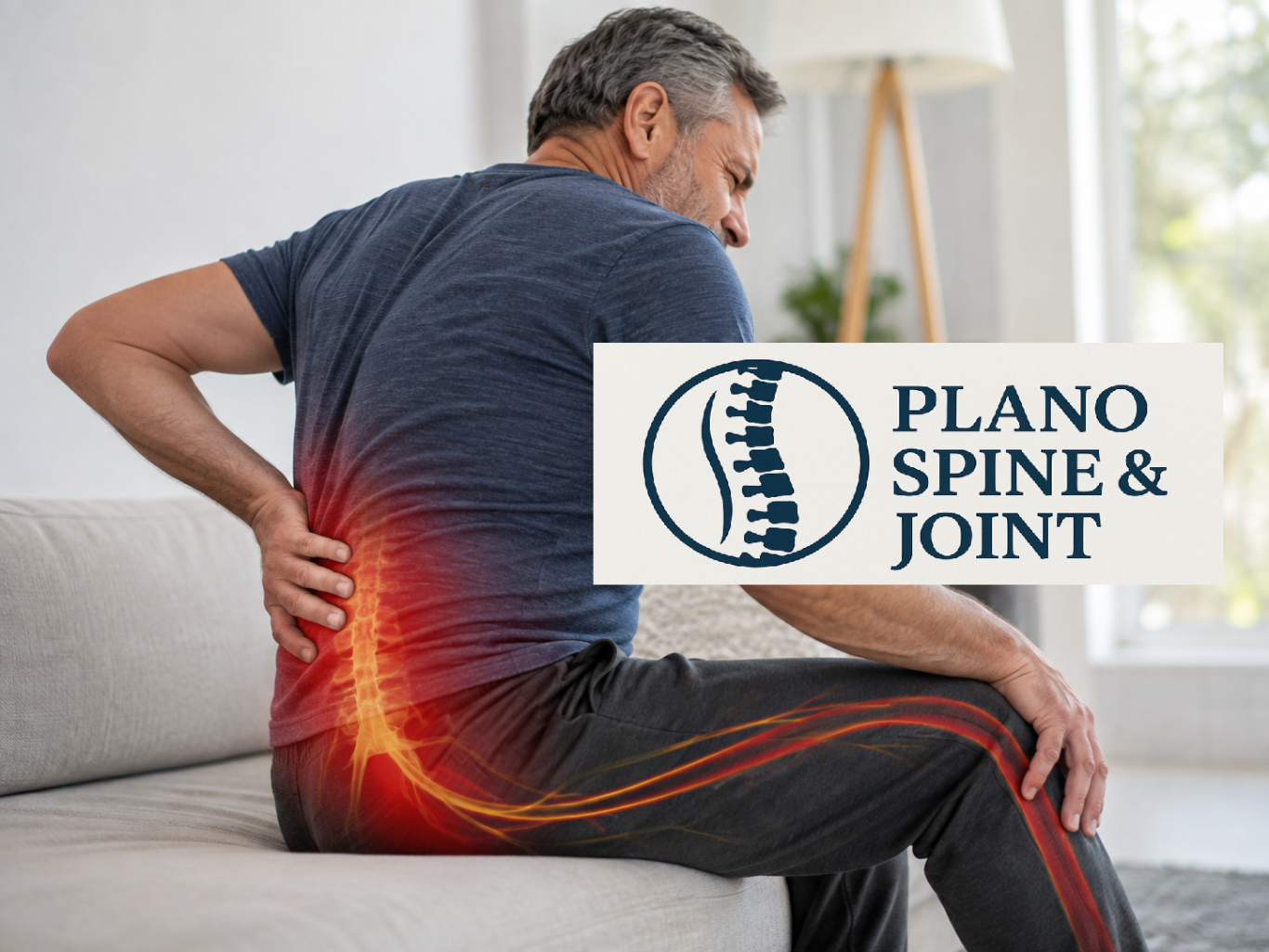
For example, localized muscle soreness may have a different cause than back pain accompanied by tingling or discomfort extending down the leg.
A qualified healthcare provider can evaluate these symptoms and determine whether conservative care, additional diagnostic testing, or specialist referral is appropriate.
How Long Should Back Pain Last After a Car Accident?
There is no single recovery timeline that applies to every automobile accident injury.
Some uncomplicated muscular injuries improve over several days or weeks. Other conditions may produce symptoms for longer periods, particularly when there is more extensive tissue injury, nerve involvement, or a pre-existing spinal condition.
The important question is not simply how many days have passed since the collision. It is whether your symptoms are improving, remaining unchanged, or becoming worse.
If your back pain continues to interfere with sleeping, sitting, standing, walking, working, or other normal activities, arranging an evaluation is reasonable.
You do not need to wait several weeks before seeking medical advice for persistent back pain.
If symptoms are severe, rapidly worsening, or accompanied by concerning neurological changes, more urgent evaluation may be necessary.
Common Reasons Back Pain Doesn't Go Away After an Accident
Muscle Strains and Ligament Sprains
Sudden forces during a collision can stretch or injure muscles and ligaments supporting the spine.
Patients may experience tenderness, stiffness, muscle spasms, or discomfort with certain movements.
Although many strains and sprains improve gradually, symptoms may persist when the injury is more substantial or normal activities repeatedly aggravate the affected tissues.
An evaluation can help determine whether the symptoms are consistent with a soft-tissue injury and whether rehabilitation is appropriate.
Spinal Joint Irritation
The small joints along the spine help support movement and stability. A collision may contribute to irritation or injury involving these structures.
Patients sometimes describe localized back pain that becomes more noticeable when bending backward, twisting, or remaining in certain positions.
Joint-related symptoms can overlap with muscle and disc problems, so examination findings are important when considering the possible source of pain.
Herniated or Bulging Discs
Intervertebral discs act as cushions between the vertebrae. Trauma may injure a disc or aggravate a pre-existing disc condition.
A disc problem may produce localized back pain or, when nerve structures are affected, symptoms that extend into the buttock or leg.
However, a bulging or herniated disc found on imaging is not automatically the cause of a patient's pain. Clinical findings must be considered alongside imaging results.
When appropriate, further diagnostic evaluation may help clarify the condition.
Nerve Irritation and Sciatica
Persistent lower back pain accompanied by burning, tingling, numbness, or pain radiating into one leg may suggest nerve involvement.
These symptoms can occur with several different spinal conditions.
Progressive weakness, significant sensory changes, or worsening neurological symptoms should receive prompt medical assessment.
Aggravation of a Pre-Existing Back Condition
Some patients already have degenerative disc changes, arthritis, or previous back injuries before an automobile accident.
A collision may aggravate an existing condition, but the relationship between the accident and current symptoms must be evaluated individually.
An accurate medical history, examination, and review of previous records when available can help clarify the clinical picture.
For a broader explanation of possible injuries, read our guide to back pain after a car accident in Plano.
When Should You See a Doctor for Back Pain After a Car Accident?
If your back pain is not improving, is interfering with daily activities, or is accompanied by new symptoms, an appropriate medical evaluation can help determine the next steps.
Consider arranging an evaluation when:
- Pain continues rather than gradually improving.
- Sitting, standing, walking, or sleeping becomes difficult.
- Pain extends into the buttock or leg.
- You experience recurring muscle spasms or restricted movement.
- Symptoms return or worsen when you resume ordinary activities.
- Your condition is not responding as expected to previously recommended care.
A healthcare provider can assess whether the symptoms are consistent with a musculoskeletal condition or require additional investigation.
Patients seeking an accident doctor in Plano can contact Plano Spine & Joint to discuss an appropriate evaluation.
Warning Signs That Require Emergency Medical Attention
Most cases of post-accident back pain are not medical emergencies. Nevertheless, some symptoms may indicate a serious spinal or neurological problem.
Seek emergency medical care immediately if you experience:
- New loss of bladder or bowel control.
- Numbness around the groin, buttocks, or saddle area.
- Significant or rapidly worsening leg weakness.
- Severe back pain following substantial trauma, particularly when a fracture is possible.
- Inability to walk normally or other severe neurological changes.
Other serious post-collision symptoms, such as chest pain, difficulty breathing, fainting, or severe abdominal pain, also require urgent or emergency assessment.
These symptoms should not be managed by waiting for a routine chiropractic appointment.
What If Your Back Pain Started Several Days After the Accident?
Not everyone experiences pain immediately after a collision.
The body's stress response may temporarily influence pain perception. Muscle guarding, soft-tissue irritation, and other musculoskeletal symptoms may also become more noticeable after the initial event.
For example, a patient may feel relatively comfortable at the accident scene but notice lower back stiffness the following morning.
Another person may initially experience mild soreness that becomes more troublesome after several days of sitting at work or driving.
Delayed symptoms do not prove that an injury occurred during the collision, but they should not automatically be dismissed either.
When seeking care, explain when the accident happened, when the discomfort began, and how the symptoms have changed.
Why Back Pain May Continue Even After an Emergency Room Visit
Emergency departments focus primarily on identifying and treating urgent or potentially serious medical conditions.
If you visited an emergency room after your collision and were discharged, that generally means the treating team determined that emergency hospitalization or intervention was not required at that time.
It does not necessarily mean that every possible cause of back pain has been identified or that follow-up care will never be needed.
Certain musculoskeletal conditions may require outpatient evaluation, rehabilitation, or additional testing depending on the patient's symptoms.
If you continue experiencing discomfort, follow your discharge instructions and arrange the recommended follow-up.
Our article, Still in Pain After the ER? Car Accident Care in Plano, explains when additional evaluation may be appropriate.
Do You Need an MRI for Persistent Back Pain After a Car Accident?
Not every patient with lingering back pain requires an MRI.
Diagnostic imaging decisions depend on the circumstances of the collision, symptoms, examination findings, neurological signs, and other relevant medical considerations.
MRI may be appropriate when there is concern for certain disc, nerve, or other soft-tissue conditions, particularly when symptoms or clinical findings justify further investigation.
X-rays and other imaging methods may be appropriate for different clinical questions.
The purpose of imaging is to answer a meaningful diagnostic question, not simply to obtain a scan because pain has continued for a particular number of days.
At Plano Spine & Joint, Dr. Jason Ardis evaluates whether additional imaging or referral to another healthcare professional may be appropriate.
How Is Persistent Back Pain Evaluated at Plano Spine & Joint?
When a patient visits Plano Spine & Joint following an automobile accident, the evaluation focuses on understanding the symptoms and identifying whether conservative chiropractic rehabilitation is appropriate.
Reviewing the Accident and Symptoms
The initial discussion may include how the collision occurred, when the pain began, its location, whether it radiates, and which activities make it better or worse.
Previous spinal conditions, medications, and earlier medical evaluations may also be relevant.
Physical and Neurological Examination
Depending on the patient's condition, the examination may assess spinal mobility, muscle tenderness, joint function, movement limitations, and neurological findings.
These observations help guide clinical decisions about treatment and the possible need for additional medical evaluation.
Developing an Individualized Treatment Plan
If chiropractic rehabilitation is appropriate, recommendations are based on the patient's clinical presentation rather than a fixed treatment schedule.
The treatment plan may be adjusted according to symptoms, function, and response to care.
If the examination identifies findings outside the appropriate scope of conservative treatment, referral for additional medical assessment may be recommended.
Treatment Options for Back Pain That Won't Go Away
The appropriate treatment for persistent back pain depends on the underlying condition and the patient's medical history.
For certain musculoskeletal injuries, conservative rehabilitation may help manage discomfort and improve mobility and function.
At Plano Spine & Joint, treatment may include appropriate chiropractic techniques, therapeutic exercises, soft-tissue therapies, and mobility-focused rehabilitation.
Exercises may focus on restoring comfortable movement, improving muscular support, and gradually returning to normal activities.
Not every patient is a candidate for spinal manipulation or every rehabilitation technique. Treatment should be selected only after considering the patient's condition, examination findings, and relevant precautions.
Patients can learn more about auto accident back pain treatment in Plano and available rehabilitation services.
What Can You Do While Waiting for a Back Pain Evaluation?
If your symptoms are mild and there are no emergency warning signs, certain general measures may help you remain comfortable while arranging appropriate care.
Avoid forcing painful movements or attempting strenuous activities that substantially aggravate your symptoms.
Gentle activity within your tolerance may be preferable to prolonged bed rest for many uncomplicated back conditions, but activity recommendations should reflect your specific circumstances and any instructions from a treating clinician.
If you were previously evaluated in an emergency department or another medical office, follow the instructions provided.
Do not discontinue prescribed medication or disregard medical restrictions without consulting the appropriate healthcare professional.
Most importantly, avoid assuming that persistent pain will resolve on its own when symptoms are worsening or interfering with everyday activities.
Why Plano Drivers Choose Plano Spine & Joint for Accident-Related Back Pain
Plano Spine & Joint provides accident-focused chiropractic evaluations and conservative rehabilitation for patients experiencing appropriate musculoskeletal symptoms following automobile collisions.
Under the care of Dr. Jason L. Ardis, D.C., the clinic emphasizes individualized examination, patient education, and rehabilitation recommendations based on clinical findings.
Patients experiencing persistent back discomfort may need help understanding their symptoms, whether further imaging is appropriate, and what treatment options are available.
The clinic serves Plano and surrounding North Texas communities, including Allen, Frisco, Richardson, McKinney, Carrollton, and Addison.
Whether your accident occurred along US-75, Preston Road, Parker Road, or another roadway in the Plano area, appropriate evaluation can help you determine the next steps.
For information about our overall approach, visit Plano Spine & Joint's car accident treatment services.
Frequently Asked Questions About Back Pain After a Car Accident
Is it normal for my back to still hurt two weeks after a car accident?
Some musculoskeletal injuries can cause discomfort for several weeks. However, persistent pain that is not improving or is interfering with daily activities should be evaluated rather than automatically considered normal.
Can a car accident cause back pain that lasts for months?
Yes. Some injuries or aggravated pre-existing conditions may produce longer-lasting symptoms. The duration alone does not establish the cause, so appropriate clinical evaluation is important.
Should I see a chiropractor if my back pain won't go away?
Chiropractic care may be appropriate for certain musculoskeletal conditions. An evaluation should determine whether conservative rehabilitation is suitable or whether additional medical assessment is needed.
Can I have a herniated disc if my back pain started days after the accident?
A disc injury is one possible cause of back pain, but delayed symptoms do not establish a disc diagnosis. Examination findings and, when indicated, diagnostic imaging help guide evaluation.
What if my back pain is getting worse instead of better?
Worsening pain warrants prompt medical assessment. Severe symptoms, progressive weakness, loss of bladder or bowel control, or numbness around the groin require emergency evaluation
Where can I receive treatment for persistent back pain after a car accident in Plano?
Plano Spine & Joint, located at 850 Central Parkway East, Suite 245, Plano, TX 75074, provides accident-focused chiropractic evaluation and rehabilitation for appropriate musculoskeletal conditions.
Schedule an Accident Back Pain Evaluation in Plano, TX
If your back pain has continued after an automobile accident, you do not have to wait until the discomfort becomes severe before seeking appropriate medical advice.
Plano Spine & Joint provides individualized chiropractic evaluation and conservative rehabilitation for patients experiencing nonemergency musculoskeletal symptoms after collisions.
Dr. Jason L. Ardis, D.C. can evaluate your symptoms, discuss appropriate treatment options, and determine whether additional medical assessment is needed.
📞 TO SCHEDULE WITH THE ACCIDENT DOCTOR: CALL (214) 501-2404
850 Central Parkway East, Suite 245
Plano, TX 75074
Learn More About Accident Doctor Plano
Medical disclaimer: This article provides general educational information and does not replace individualized medical advice, diagnosis, or emergency treatment. Treatment recommendations depend on the patient's clinical circumstances.