
Do I Need an MRI After a Car Accident?
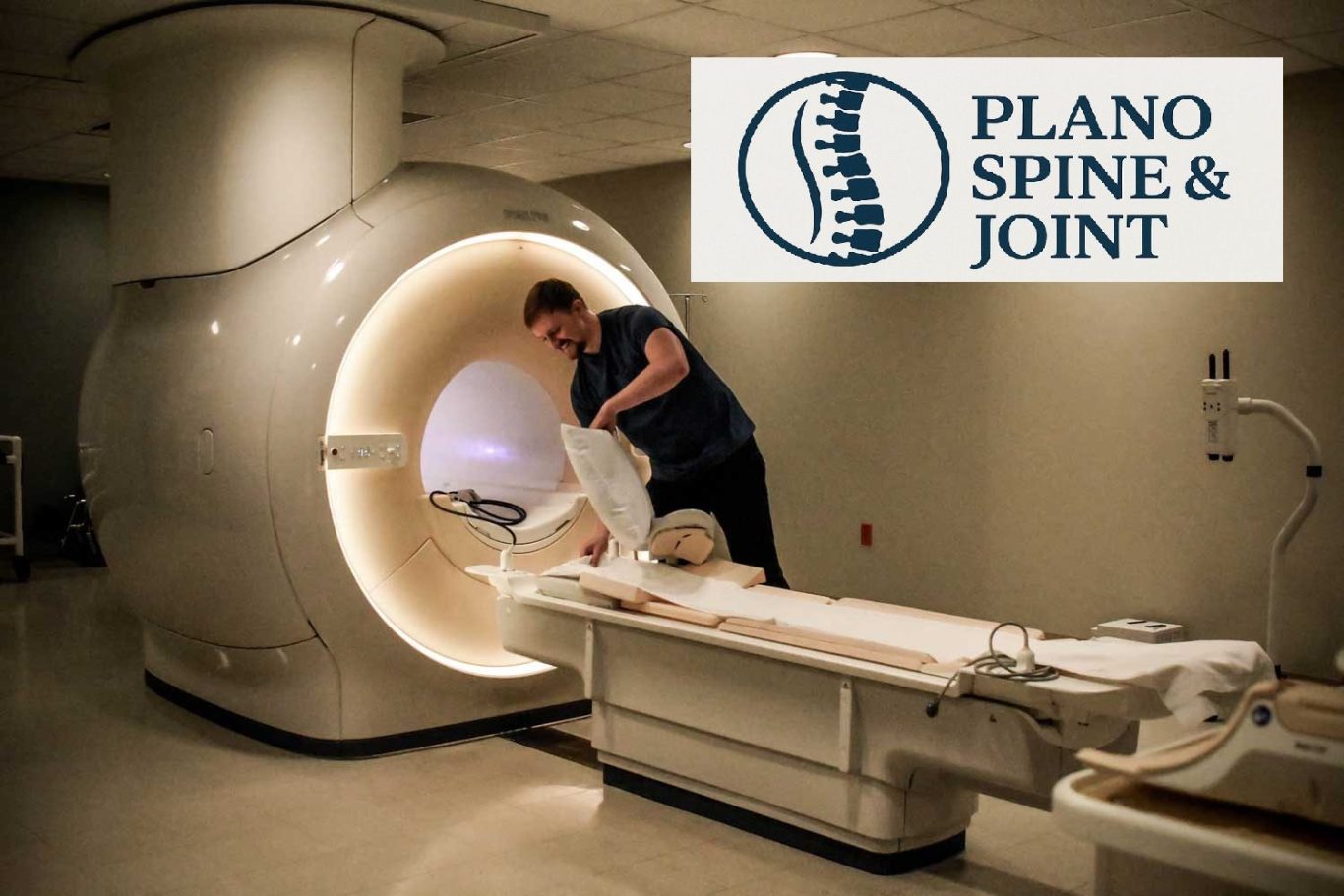
After a car accident, it is common to feel confused about what type of medical care you need. Some people walk away with immediate pain, while others feel “okay” at first and develop neck pain, back pain, headaches, numbness, tingling, or stiffness days later. One of the most common questions accident patients ask is: Do I need an MRI after a car accident?
The answer depends on your symptoms, exam findings, response to conservative care, and whether there are signs that something more serious may be present.
At Plano Spine & Joint, Dr. Jason Lane Ardis evaluates auto accident injuries with a careful, step by step approach. The goal is to identify whether your pain is likely related to soft tissue sprain and strain, or whether there may be structural damage such as a disc injury, nerve involvement, ligament injury, or other internal spinal damage that needs further imaging.
An MRI is not always ordered immediately after a collision. In many cases, a patient first begins conservative care. However, when symptoms do not improve as expected, or when clinical signs suggest deeper damage, an MRI may become medically necessary.
Why an MRI May Be Needed After a Car Accident
An MRI, or magnetic resonance imaging, is different from a standard X ray. X rays are useful for looking at bones, alignment, fractures, and certain degenerative changes. However, many accident related injuries involve soft tissue structures that do not show clearly on X rays.
An MRI can help evaluate:
Disc injuries
Herniated discs
Bulging discs
Ligament damage
Nerve compression
Spinal inflammation
Soft tissue trauma
Certain joint and muscle injuries
After an auto accident, the force of impact can stretch, compress, twist, or shear the spine and surrounding tissues. Even when the vehicle damage appears minor, the body can absorb a significant amount of force. This is especially true in rear end collisions, side impacts, and accidents involving sudden braking or rotation.
For patients with ongoing pain, radiating symptoms, numbness, weakness, or poor response to conservative treatment, an MRI may help reveal whether the problem is more than a simple sprain or strain.
Why MRIs Are Often Not Ordered on Day One
Many patients assume that if they are in pain after an accident, they should receive an MRI immediately. In some emergency situations, advanced imaging may be ordered right away. This is more likely when there are severe red flag symptoms, major trauma, neurological loss, suspected fracture, loss of bowel or bladder control, or serious medical concerns.
However, in many auto accident cases, the first step is conservative care. This may include chiropractic evaluation, physical rehabilitation, soft tissue therapy, therapeutic exercise, pain management coordination, and close monitoring of symptoms.
The reason is simple: many sprain and strain injuries can improve with proper conservative treatment. If every patient received an MRI immediately, many scans would be ordered before the body has had enough time to respond to care.
At Plano Spine & Joint, Auto acciden doctor: Jason Lane Ardis uses the early phase of care to evaluate symptoms, document objective findings, monitor progress, and determine whether the injury pattern is improving as expected.
Typical MRI Referrals Around the End of One Month of Conservative Care
In many auto accident cases, MRI referrals are commonly considered around the end of approximately one month of conservative care, depending on the patient’s condition and clinical findings.
This timing matters because it gives the provider enough time to evaluate whether the injury is behaving like a typical sprain or strain, or whether symptoms suggest a deeper structural issue.
A sprain or strain usually involves injury to muscles, tendons, or ligaments. These injuries can be painful, but many patients show measurable improvement with appropriate conservative treatment. When a patient does not improve after several weeks, the provider may begin to suspect that the pain source is not only soft tissue irritation.
At that point, an MRI may be appropriate to help determine whether structural damage is present.
This does not mean every patient needs an MRI after one month. It means that persistent symptoms after a reasonable trial of care can support the medical necessity for advanced imaging.
The Reasoning: Eliminating Sprain and Strain as the Main Cause
One of the key reasons MRI referrals are often considered after a period of conservative care is to help distinguish between a routine sprain or strain and a more serious structural injury.
For example, if a patient begins treatment with neck pain, back pain, stiffness, and muscle spasms, those symptoms may initially be consistent with soft tissue injury. But if the patient continues to experience significant pain after several weeks of care, the clinical picture changes.
Persistent symptoms may suggest:
A disc herniation
A disc bulge pressing on a nerve
Ligament instability
Facet joint injury
Nerve root irritation
Internal spinal inflammation
Structural trauma that is not visible on X ray
The purpose of conservative care is not only to treat the patient. It also helps establish a clinical timeline. If the patient improves, advanced imaging may not be necessary. If the patient does not improve, that lack of progress becomes important documentation showing why an MRI may be needed.
This process helps demonstrate that sprain and strain alone may not explain the patient’s ongoing symptoms.
Why Insurance Companies Often Deny Early MRI Requests
Another major reason MRI timing matters after a car accident is insurance denial. Auto insurance companies often question or deny MRI referrals when they believe advanced imaging was ordered too early or without enough documented medical necessity.
Insurance carriers may argue that:
The patient did not complete enough conservative care
The symptoms were not documented clearly
The MRI was ordered before treatment response could be evaluated
There were no neurological findings
The injury appeared to be only sprain or strain
The imaging was not medically necessary
This is why documentation is so important.
At Plano Spine & Joint, Dr. Jason Lane Ardis focuses on documenting examination findings, treatment response, pain levels, functional limitations, and symptom progression. When an MRI referral is made after a reasonable period of conservative care, it is often easier to explain why the imaging is medically necessary.
The goal is not to delay needed care. The goal is to build a clear medical foundation that supports the reason for the MRI and reduces the chance of unnecessary insurance denial.
Signs You May Need an MRI After a Car Accident
An MRI may be considered when symptoms do not improve or when more serious signs are present. These may include ongoing or worsening neck pain, back pain, radiating pain into the arms or legs, numbness, tingling, weakness, burning sensations, headaches with neck involvement, or pain that interferes with daily activities.
For example, a patient who continues to have lower back pain that travels into the leg after several weeks of care may need further evaluation for a possible disc injury or nerve compression.
A patient with neck pain, headaches, arm numbness, or weakness may need an MRI to evaluate the cervical spine.
Pain that does not follow a normal healing pattern should not be ignored. When symptoms persist despite appropriate treatment, advanced imaging may provide answers that a physical exam or X ray cannot fully reveal.
MRI vs X Ray After an Auto Accident
X rays and MRIs serve different purposes. An X ray is often used to evaluate bones, fractures, alignment, and obvious structural changes. It may be helpful early after an accident when there is concern for fracture or spinal alignment issues.
An MRI is better suited for evaluating soft tissue and internal spinal structures. This includes discs, nerves, ligaments, and inflammation.
In many cases, both tools can play a role. An X ray may be performed early, while an MRI may be considered later if symptoms persist or worsen after conservative care.
The important point is that imaging should match the clinical need. Ordering the right imaging at the right time helps protect the patient medically and supports the claim from a documentation standpoint.
Why Proper Documentation Matters for Your Auto Accident Claim
Medical documentation is one of the most important parts of an auto accident injury claim. If your pain is not evaluated, treated, and documented properly, the insurance company may argue that your injuries are unrelated, exaggerated, or not serious.
A well documented treatment plan can show:
When your symptoms began
What areas of the body were injured
How severe your pain was
What objective findings were present
How your condition responded to care
Why additional imaging was needed
Whether symptoms were consistent with structural injury
If an MRI eventually shows disc damage or another structural condition, the timeline of care becomes extremely important. It helps connect the need for imaging to the accident and shows that conservative care was attempted before advanced testing was pursued.
This is one reason accident patients should avoid long gaps in treatment. Gaps can make it harder to prove the relationship between the crash and the injury.
Final Thoughts: Do You Need an MRI After a Car Accident?
You may not need an MRI immediately after a car accident, but you should not ignore ongoing symptoms. If your pain improves with conservative care, advanced imaging may not be necessary. However, if your symptoms persist after several weeks, worsen, or suggest nerve or disc involvement, an MRI may be an important next step.
Typical MRI referrals are often considered around the end of one month of conservative care because that timeframe helps determine whether sprain and strain injuries are improving or whether structural damage may be present.
It also helps reduce the risk of auto insurance denial by showing that the MRI is medically necessary and supported by documented treatment response.
If you were recently involved in an auto accident in Plano, Dr. Jason Lane Ardis at Plano Spine & Joint can evaluate your symptoms, begin appropriate care, and determine whether an MRI referral may be needed.
FAQ Section
Do I need an MRI immediately after a car accident?
Not always. Many patients begin with a clinical evaluation and conservative care first. An MRI may be considered sooner if there are serious symptoms, neurological problems, or red flags.
When is an MRI usually ordered after an auto accident?
In many cases, MRI referrals are considered around the end of approximately one month of conservative care, especially if symptoms are not improving or if structural damage is suspected.
Why wait before ordering an MRI?
A short period of conservative care helps determine whether the injury is a sprain or strain that is improving, or whether symptoms suggest a deeper structural issue such as a disc injury or nerve compression.
Can insurance deny an MRI after a car accident?
Yes. Auto insurance companies may deny MRI requests if they believe the imaging was ordered too early or without enough documentation. This is why proper treatment records and clinical findings are important.
What symptoms may mean I need an MRI?
Persistent neck pain, back pain, numbness, tingling, weakness, radiating arm or leg pain, headaches with neck pain, or symptoms that do not improve after conservative care may support the need for MRI evaluation.
What can an MRI show that an X ray cannot?
An MRI can show soft tissue structures such as discs, nerves, ligaments, and inflammation. X rays mainly show bones, alignment, and fractures.
Can Dr. Jason Lane Ardis refer me for an MRI?
Yes. If your symptoms and exam findings support the need for advanced imaging, Dr. Jason Lane Ardis at Plano Spine & Joint may refer you for an MRI as part of your accident injury care plan.
Why is documentation important before an MRI referral?
Documentation shows your symptoms, exam findings, treatment response, and reason for imaging. This helps establish medical necessity and may reduce the risk of insurance denial.