
What Whiplash Really Is and Why It Should Never Be Ignored After a Car Accident in Plano
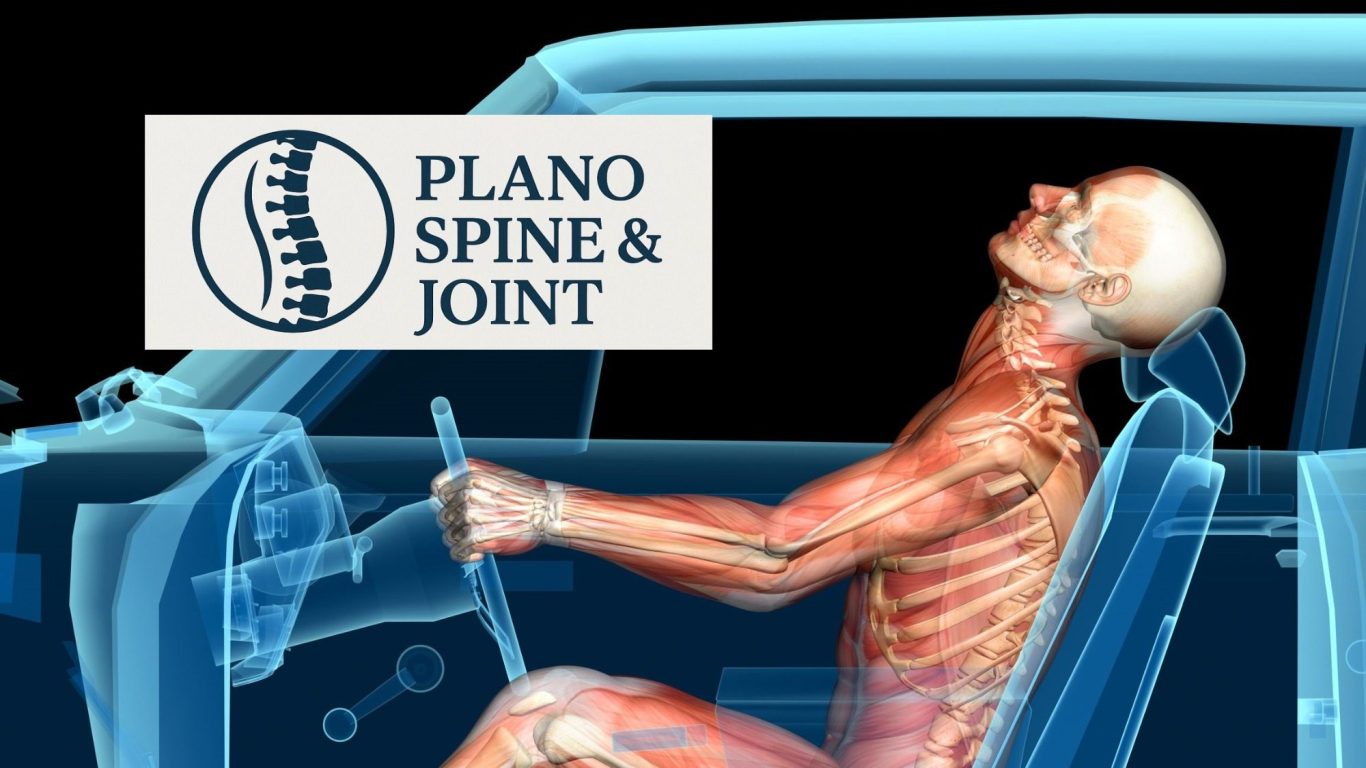
Whiplash is one of the most common injuries after a car accident, yet it is also one of the most misunderstood. Many people in Plano walk away from a crash believing they are fine, only to develop neck pain, headaches, or stiffness days later.
Understanding what whiplash really is helps explain why early evaluation and proper care are so important.
At Plano Spine & Joint, Dr. Jason Ardis, D.C. focuses on identifying and treating whiplash injuries early to help patients recover properly and avoid long term complications.
What Whiplash Really Is
Whiplash occurs when the head and neck are forced rapidly forward and backward during a sudden impact. This motion places abnormal stress on the muscles, ligaments, joints, and discs of the cervical spine.
Even low speed collisions can cause whiplash because the neck is not designed to handle rapid acceleration and deceleration.
Whiplash is considered a soft tissue injury, which means it often does not appear on standard imaging such as X rays or CT scans. Your accident doctor in Plano will determine if these images are necessary.
Why Whiplash Symptoms Are Often Delayed
Immediately after an accident, the body releases adrenaline and stress hormones. These chemicals temporarily block pain signals, allowing injuries to go unnoticed.
As inflammation develops over the following hours or days, symptoms may begin to appear.
Common delayed symptoms include:
- Neck pain or stiffness
- Headaches
- Reduced range of motion
- Shoulder or upper back discomfort
- Pain that worsens with movement
This delayed onset is why many people do not connect their symptoms to the accident.
How Whiplash Affects the Spine and Nervous System
Whiplash does not only affect muscles. It can also disrupt normal joint motion and irritate nearby nerves.
When spinal joints lose normal movement:
- Muscles tighten to compensate
- Inflammation increases
- Posture changes develop
- Pain becomes more persistent
Without proper care, these changes can lead to chronic neck pain and headaches.
Why Early Evaluation Matters After a Car Accident in Plano
Early evaluation allows whiplash injuries to be identified before inflammation and compensation patterns worsen.
Dr. Jason Ardis, D.C. emphasizes that early care helps:
- Restore normal neck movement
- Reduce inflammation
- Prevent long term stiffness and pain
- Improve overall recovery outcomes
Plano drivers who commute on busy roads such as US 75, Preston Road, and the Dallas North Tollway are especially vulnerable to rear end collisions that commonly cause whiplash. The Plano accident doctor will evaluate and determine if you are suffering this common injury.
How Plano Spine & Joint Treats Whiplash Injuries
At Plano Spine & Joint, whiplash care focuses on addressing the root cause of injury rather than masking symptoms.
Treatment may include:
- Detailed accident focused evaluation
- Gentle chiropractic adjustments
- Soft tissue therapy
- Corrective rehabilitation exercises
- Ongoing reassessment to track recovery
Each treatment plan is tailored to the individual and their specific injuries.
When to Get Checked for Whiplash
You should be evaluated after a car accident even if symptoms feel mild.
Warning signs include:
- Neck stiffness or soreness
- Headaches
- Pain with turning your head
- Difficulty sleeping
- Shoulder or upper back discomfort
Early care helps prevent minor injuries from becoming long term problems.