
Seat Belt Injuries After a Car Accident in Plano, TX
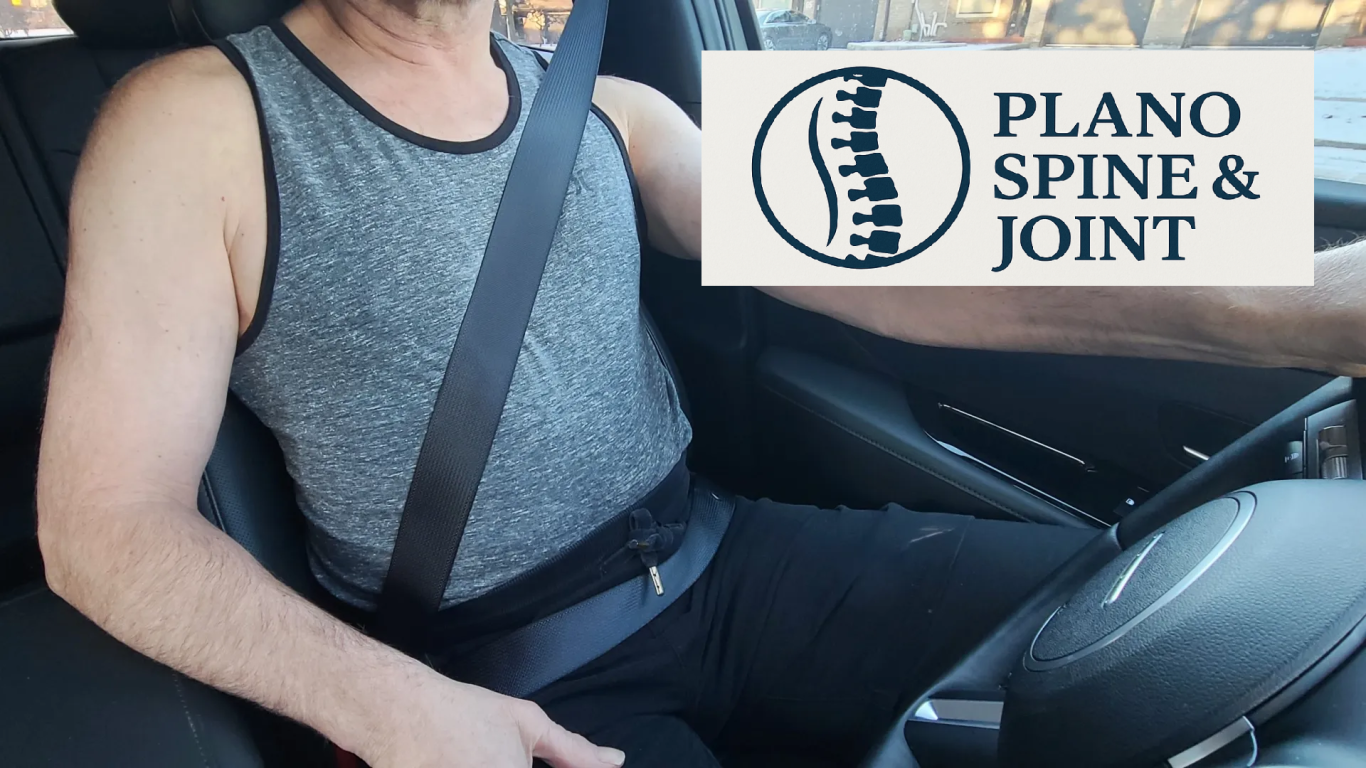
Seat belts save lives. They are among the most important safety features in modern vehicles, helping protect drivers and passengers from being thrown forward or ejected during a collision. However, the forces involved in a car accident can sometimes cause injuries where the seat belt restrains the body.
After a collision, you might notice a bruise across your chest, soreness near your collarbone, shoulder pain, or stiffness in your neck. While some injuries involve muscles and other soft tissues, certain seat belt-related symptoms can indicate more serious internal injuries.
If you've been injured in a car accident in Plano, Texas, understanding the difference is important.
At Plano Spine & Joint, Dr. Jason Ardis, D.C. evaluates musculoskeletal injuries following automobile accidents and provides individualized chiropractic care and rehabilitation when appropriate.
Our clinic serves accident injury patients throughout Plano, Allen, Richardson, Frisco, McKinney, and surrounding North Texas communities.
How Can a Seat Belt Cause Injuries During a Car Accident?
A properly worn seat belt is designed to distribute restraint forces across stronger parts of the body, including the shoulder, chest, and pelvis.
During a collision, the vehicle may stop abruptly while the occupant's body continues moving forward. The seat belt restrains that movement, substantially reducing the risk of serious injury or death.
However, the rapid forces involved can sometimes produce bruising, tenderness, muscle strain, or injuries involving structures beneath the belt.
The type and severity of injury depend on factors such as the direction and force of the collision, seat belt positioning, occupant movement, and other circumstances.
Seat belt injuries do not mean seat belts are unsafe. Wearing a properly positioned seat belt remains essential for reducing the risk of severe and fatal injuries.
Common Symptoms of Seat Belt Injuries After a Car Accident
Seat belt-related symptoms can involve several areas of the body.
Some patients experience localized soreness, while others develop symptoms involving the shoulder, neck, chest, or abdomen.
Potential symptoms include:
- Bruising or redness across the chest or abdomen
- Tenderness around the collarbone
- Shoulder pain or restricted arm movement
- Neck stiffness and upper back discomfort
- Pain when twisting or raising the arm
- Chest wall soreness
- Abdominal pain or tenderness
- Numbness or tingling in an arm
These symptoms have different possible causes. Some may reflect relatively minor soft-tissue injuries, while others require urgent medical assessment.
Chest pain, difficulty breathing, abdominal pain, fainting, or other concerning symptoms after seat belt trauma should be evaluated in an emergency department.
Shoulder Pain From a Seat Belt After a Car Accident
The shoulder portion of a three-point seat belt crosses the upper chest and shoulder.
During rapid deceleration, the restraint can place force across the shoulder region. This may contribute to bruising, tenderness, muscle strain, or aggravation of an existing shoulder condition.
However, shoulder pain following a collision does not necessarily mean the seat belt itself caused the injury.
A driver may also brace against the steering wheel, strike the interior of the vehicle, or experience forces affecting the neck and upper back.
Possible sources of shoulder pain include muscle injury, joint irritation, tendon injury, or pain referred from the cervical spine.
If shoulder pain persists or affects your ability to lift, reach, or rotate your arm, a clinical examination can help determine the next step.
Read our detailed guide to shoulder pain after a car accident in Plano for additional information about possible injuries.
Chest Pain and Bruising From a Seat Belt
A seat belt may leave visible redness, tenderness, or bruising across the chest after a collision.
Some patients experience soreness in the chest wall muscles or around the ribs.
However, chest pain following a motor vehicle accident should never automatically be assumed to be a simple muscle strain.
Trauma can also cause rib or sternum fractures, lung injuries, or other potentially serious conditions.
Seek emergency medical care for chest pain following significant trauma, difficulty breathing, worsening chest discomfort, dizziness, or fainting.
Even when the discomfort initially seems mild, a clinician may need to assess the mechanism of injury and determine whether further testing is necessary.
Chiropractic care is not a substitute for emergency evaluation of suspected chest or internal injuries.
What Is the Seat Belt Sign?
The term seat belt sign refers to visible bruising, abrasions, or other marks across the chest or abdomen in the pattern of a seat belt following a collision.
A seat belt sign can be important because it may indicate substantial forces were transmitted through the torso.
In particular, bruising across the abdomen may be associated with injuries involving internal organs, blood vessels, or the bowel.
A visible abdominal seat belt sign warrants prompt emergency medical evaluation, even if the person initially feels relatively well.
The absence of bruising does not rule out internal injury.
If you notice abdominal bruising, abdominal pain, increasing tenderness, vomiting, dizziness, or fainting after a collision, seek emergency care rather than waiting for a routine chiropractic appointment.
Can a Seat Belt Cause Neck Pain or Whiplash?
Neck pain can develop after a collision involving seat belt restraint, although the seat belt is not necessarily the direct cause of the neck injury.
During a sudden impact, the belt helps restrain the torso while the head and neck may undergo rapid acceleration, deceleration, or rotation.
These movements can strain muscles, ligaments, and joints in the cervical spine.
Some patients experience symptoms commonly associated with whiplash, including neck stiffness, headaches, reduced range of motion, and upper-shoulder discomfort.
Others may report pain traveling toward the shoulder blade or arm.
At Plano Spine & Joint, Dr. Ardis evaluates cervical spine and musculoskeletal symptoms after motor vehicle collisions and determines whether conservative care is appropriate.
For more information, visit our whiplash injury treatment guide.
Collarbone and Upper Chest Injuries After a Collision
The shoulder strap of a seat belt crosses near the collarbone, also called the clavicle.
Pain in this region may result from bruising or soft-tissue irritation, but a collision can also cause fractures or other injuries.
Symptoms that deserve medical attention include:
- Significant tenderness directly over the collarbone
- Visible deformity or unusual swelling
- Severe pain with shoulder movement
- Difficulty using the affected arm
- Numbness, weakness, or changes in circulation
Suspected fractures require appropriate medical evaluation and imaging before any chiropractic treatment or rehabilitation involving the affected area.
Why Can Seat Belt Injury Symptoms Appear Hours or Days Later?
Not every accident-related symptom is immediately noticeable.
At the accident scene, a person may be focused on checking passengers, speaking with police, contacting insurance, or arranging transportation.
Some muscle soreness, stiffness, and bruising may become more apparent over the following hours or days.
However, delayed symptoms should not automatically be considered harmless.
New or worsening chest pain, abdominal pain, breathing difficulty, dizziness, fainting, or neurological symptoms require urgent medical assessment.
For nonemergency musculoskeletal complaints, an appropriate examination can help determine whether symptoms involve the neck, shoulder, upper back, or other structures.
Learn more in our article about how long after a car accident symptoms may appear.
When Should You Go to the Emergency Room After a Seat Belt Injury?
Because seat belt forces can affect the chest and abdomen, recognizing potentially serious symptoms is particularly important.
Seek emergency medical evaluation if you experience:
Chest pain, difficulty breathing, or fainting
Abdominal bruising in a seat belt pattern, abdominal pain, or increasing tenderness
Severe or worsening pain after significant trauma
Significant head injury, confusion, or loss of consciousness
Suspected fracture or visible deformity
New or progressive weakness, loss of sensation, or other serious neurological changes
A visible abdominal seat belt sign should be assessed promptly in an emergency department because internal injuries are not always obvious immediately.
After emergency conditions have been evaluated and appropriately managed, follow-up care for remaining musculoskeletal symptoms may be considered.
Our ER or accident doctor guide explains the different roles of emergency care and follow-up accident injury evaluation.
How Are Musculoskeletal Seat Belt Injuries Evaluated?
Once serious injuries have been excluded, persistent neck, shoulder, or upper-back discomfort may benefit from a musculoskeletal evaluation.
At Plano Spine & Joint, Dr. Jason Ardis, D.C. may assess:
- How the collision occurred and where the seat belt contacted the body
- The patient's symptoms and relevant medical history
- Cervical and shoulder range of motion
- Muscle tenderness and joint function
- Orthopedic examination findings
- Strength, sensation, and neurological signs when appropriate
- Whether imaging or another medical referral is indicated
The purpose is to identify possible sources of pain and determine whether chiropractic care or rehabilitation is appropriate.
Not every accident injury should be treated the same way, and symptoms involving the chest or abdomen may require medical evaluation outside the chiropractic setting.
Do You Need an X-Ray or MRI After a Seat Belt Injury?
The need for imaging depends on the patient's symptoms, physical findings, and suspected injuries.
X-rays may help identify certain fractures or bony abnormalities when clinically indicated.
MRI may provide additional information about selected soft-tissue injuries, spinal discs, or other structures.
For suspected internal chest or abdominal injuries, emergency clinicians may recommend other tests, including CT imaging, depending on the circumstances.
An MRI is not automatically necessary after every seat belt injury, and no single imaging study is appropriate for every patient.
At Plano Spine & Joint, imaging referrals or additional medical consultations can be coordinated when clinically appropriate.
Chiropractic Care and Rehabilitation After a Seat Belt Injury
Following appropriate medical assessment, some patients may benefit from conservative care for musculoskeletal injuries involving the neck, shoulder, or upper back.
Treatment should be based on the actual diagnosis rather than the presence of a seat belt mark alone.
When appropriate, rehabilitation may involve therapeutic exercises, mobility work, soft-tissue treatment, and chiropractic care directed at identified musculoskeletal problems.
The goals may include improving range of motion, restoring comfortable movement, addressing muscle dysfunction, and supporting a gradual return to daily activities.
Dr. Ardis monitors the patient's symptoms and functional progress and may recommend additional medical evaluation when findings warrant it.
For a broader overview, learn about auto accident injury treatment at Plano Spine & Joint.
Seat Belt Injuries After a Car Accident in Plano, Texas
Drivers throughout Plano encounter busy roadways and intersections, including US-75 Central Expressway, President George Bush Turnpike, Dallas North Tollway, Preston Road, Parker Road, and Spring Creek Parkway.
Rear-end collisions, side-impact crashes, and sudden deceleration can expose vehicle occupants to different restraint forces.
For patients experiencing ongoing musculoskeletal symptoms after appropriate emergency assessment, having a local accident-focused clinic may make follow-up evaluation and rehabilitation more convenient.
Plano Spine & Joint, located at 850 Central Parkway East, Suite 245, Plano, TX 75074, serves patients from Plano, Allen, Richardson, Frisco, McKinney, Murphy, Sachse, and surrounding communities.
Under the care of Dr. Jason Ardis, D.C., the clinic focuses on individualized accident injury evaluations and appropriate rehabilitation for musculoskeletal complaints.
Frequently Asked Questions About Seat Belt Injuries
Can a seat belt cause shoulder pain after a car accident?
Yes. Seat belt restraint forces may contribute to shoulder bruising, tenderness, or soft-tissue injury. However, shoulder pain can also originate from direct trauma, the shoulder joint, or the cervical spine.
Is bruising from a seat belt dangerous?
Not every bruise indicates a serious injury. However, bruising in a seat belt pattern—particularly across the abdomen—can be associated with internal injuries and warrants prompt emergency medical evaluation.
Can a seat belt cause chest pain?
Yes. Chest discomfort may involve bruising, chest wall muscles, ribs, or other structures. Because chest pain after trauma can also indicate serious injury, emergency medical evaluation is important.
Can you have a seat belt injury without visible bruising?
Yes. The absence of a visible mark does not exclude musculoskeletal or internal injury. Symptoms and the mechanism of the collision should guide medical evaluation.
Can seat belt injuries cause neck pain?
Neck pain may occur during a collision as the torso is restrained and the head and neck undergo rapid movement. The symptoms may involve muscles, joints, or other cervical structures.
When should I see an accident doctor after a seat belt injury?
Seek emergency care for concerning chest or abdominal symptoms, visible abdominal seat belt bruising, breathing problems, suspected fractures, or neurological changes. Once serious conditions have been excluded, persistent musculoskeletal symptoms can be evaluated by an appropriate healthcare provider.
Where can I get evaluated for accident-related shoulder or neck pain in Plano?
Plano Spine & Joint provides accident-focused chiropractic evaluation and rehabilitation for appropriate musculoskeletal conditions under Dr. Jason Ardis, D.C., at 850 Central Parkway East, Suite 245, Plano, TX 75074.
Schedule an Accident Injury Evaluation at Plano Spine & Joint
If you've been involved in a car accident and are experiencing persistent shoulder pain, neck stiffness, or upper-back discomfort, an appropriate evaluation can help determine the next steps.
Emergency symptoms and possible internal injuries must be assessed in an emergency department first.
For nonemergency musculoskeletal injuries, Dr. Jason Ardis, D.C. provides individualized accident injury evaluation and rehabilitation at Plano Spine & Joint.
Plano Spine & Joint
850 Central Parkway East, Suite 245
Plano, TX 75074
To Schedule With The Accident Doctor:
Learn more about our Plano auto accident treatment services or choosing the right doctor after a car accident.
This article provides general educational information and does not replace individualized medical advice, diagnosis, or emergency care.