
Adrenaline and Recognizing Injury After an Accident
Why You May Feel Fine Immediately After a Car Accident
One of the most common statements heard after a motor vehicle accident is, "I felt fine at first, so I thought I wasn't injured." Unfortunately, this assumption causes many accident victims to delay medical evaluation and treatment, sometimes allowing significant injuries to worsen before they are identified.
At Plano Spine & Joint, Dr. Jason L. Ardis, D.C. frequently evaluates patients who initially declined treatment because they believed they escaped injury, only to develop substantial pain and physical limitations several days later. In many of these cases, adrenaline played a major role in masking symptoms immediately following the collision.
Understanding how adrenaline affects the body after an accident can help patients recognize hidden injuries and seek treatment before minor problems become chronic conditions.
What Happens to Your Body During a Collision?
A motor vehicle accident is a traumatic event, even when the collision occurs at relatively low speeds. The human body reacts by activating the sympathetic nervous system, commonly known as the "fight or flight" response.
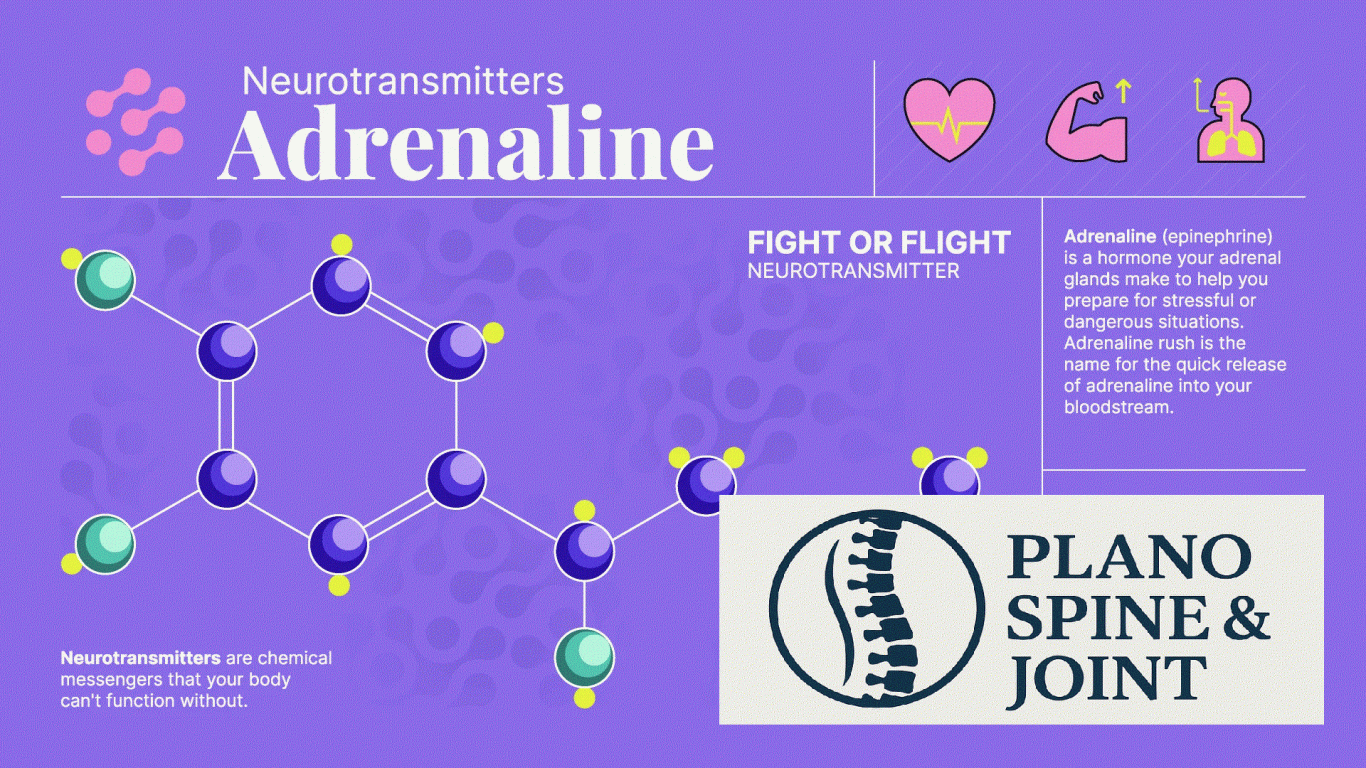
During this process, the body rapidly releases hormones including adrenaline and cortisol. These hormones prepare the body to respond to danger by increasing heart rate, improving blood flow to muscles, sharpening focus, and temporarily reducing the perception of pain.
From an evolutionary standpoint, this response is designed to help individuals survive emergencies. However, after a car accident, these same protective mechanisms can make it difficult to recognize injuries immediately following the crash.
How Adrenaline Masks Pain
Adrenaline functions as the body's natural pain suppressant. Following an accident, many patients experience an unusual sense of energy, alertness, or emotional numbness despite having sustained significant injuries.
As adrenaline levels begin to decrease over the following hours and days, inflammation starts to develop within injured tissues. This is often when patients begin noticing symptoms that were previously hidden.
It is extremely common for accident victims to wake up the next morning or several days later feeling dramatically worse than they did immediately after the collision.
Common Symptoms That May Be Delayed
Certain injuries are particularly known for delayed symptom presentation. Patients may initially feel normal before developing symptoms as inflammation increases and soft tissues react to the trauma.
Common delayed symptoms include:
• Neck pain and stiffness
• Headaches and migraines
• Lower back pain
• Shoulder pain
• Muscle spasms
• Numbness or tingling
• Radiating arm or leg pain
• Reduced range of motion
These symptoms often indicate underlying injuries involving muscles, ligaments, discs, joints, or nerves.
Whiplash and Adrenaline
Whiplash remains one of the most common injuries associated with delayed symptoms. During a collision, the neck experiences rapid acceleration and deceleration forces that can strain or injure the muscles, ligaments, facet joints, and discs of the cervical spine.
Because adrenaline temporarily masks pain, many patients with whiplash report feeling relatively normal for twenty-four to seventy-two hours before symptoms begin appearing. By the time stiffness, headaches, and neck pain become severe, significant inflammation may already be present.
This delayed onset is one of the reasons why accident victims should not rely solely on immediate symptoms to determine whether they were injured.
Hidden Injuries Can Become Chronic Problems
Some injuries become more difficult to treat when evaluation is delayed. Untreated soft tissue injuries may develop scar tissue and long-term dysfunction. Disc injuries may progress to nerve irritation or chronic pain syndromes. Joint injuries can result in persistent instability and decreased mobility.
Early diagnosis often provides the best opportunity for successful recovery and may reduce the likelihood of long-term complications.
Why Early Evaluation Matters
Even if symptoms seem minor, obtaining a thorough medical evaluation after a car accident can provide valuable information about your condition and establish a baseline for recovery.
Early evaluation may help:
• Identify hidden injuries before symptoms worsen.
• Document accident-related conditions.
• Determine whether advanced imaging is necessary.
• Develop an appropriate rehabilitation plan.
Patients frequently discover that injuries they initially dismissed were actually more significant than they realized.
Advanced Auto Accident Care at Plano Spine & Joint
Dr. Jason L. Ardis, D.C. specializes in the diagnosis and treatment of motor vehicle accident injuries. At Plano Spine & Joint, patients receive comprehensive evaluations designed to identify both obvious and hidden injuries that may not be apparent immediately after a collision.
The clinic utilizes advanced chiropractic rehabilitation, soft tissue therapies, corrective exercise programs, neuromuscular re-education, and when necessary, coordination of MRI imaging and specialist referrals. Through a multi-doctor collaborative approach, patients receive individualized treatment plans focused on restoring function and improving long-term outcomes.
Serving Accident Victims Throughout North Texas
Plano Spine & Joint proudly serves accident victims throughout:
#PlanoTX
#RichardsonTX
#FriscoTX
#AllenTX
#SachseTX
#CarrolltonTX
If you have recently been involved in a car accident, do not assume you escaped injury simply because you feel fine today. Adrenaline may be protecting you from pain now, but hidden injuries can become serious problems if left untreated.
Early evaluation can make a significant difference in both your recovery and your long-term health.
FAQ Section
Can adrenaline hide injuries after a car accident?
Yes. Adrenaline released during a collision can temporarily suppress pain signals and delay the appearance of symptoms.
How long can adrenaline mask pain after an accident?
The effects vary from person to person, but symptoms commonly appear within several hours to several days after a collision.
Why do I feel worse the day after my accident?
As adrenaline decreases and inflammation develops, injuries that were initially hidden often become more noticeable.
What injuries commonly have delayed symptoms?
Whiplash, soft tissue injuries, ligament damage, disc injuries, and nerve irritation frequently develop delayed symptoms.
Should I get checked even if I feel okay?
Yes. A comprehensive evaluation can identify hidden injuries before they become chronic problems.
Does Plano Spine & Joint coordinate MRI imaging?
Yes. Dr. Jason Ardis and the team coordinate advanced imaging and specialist referrals when clinically indicated.